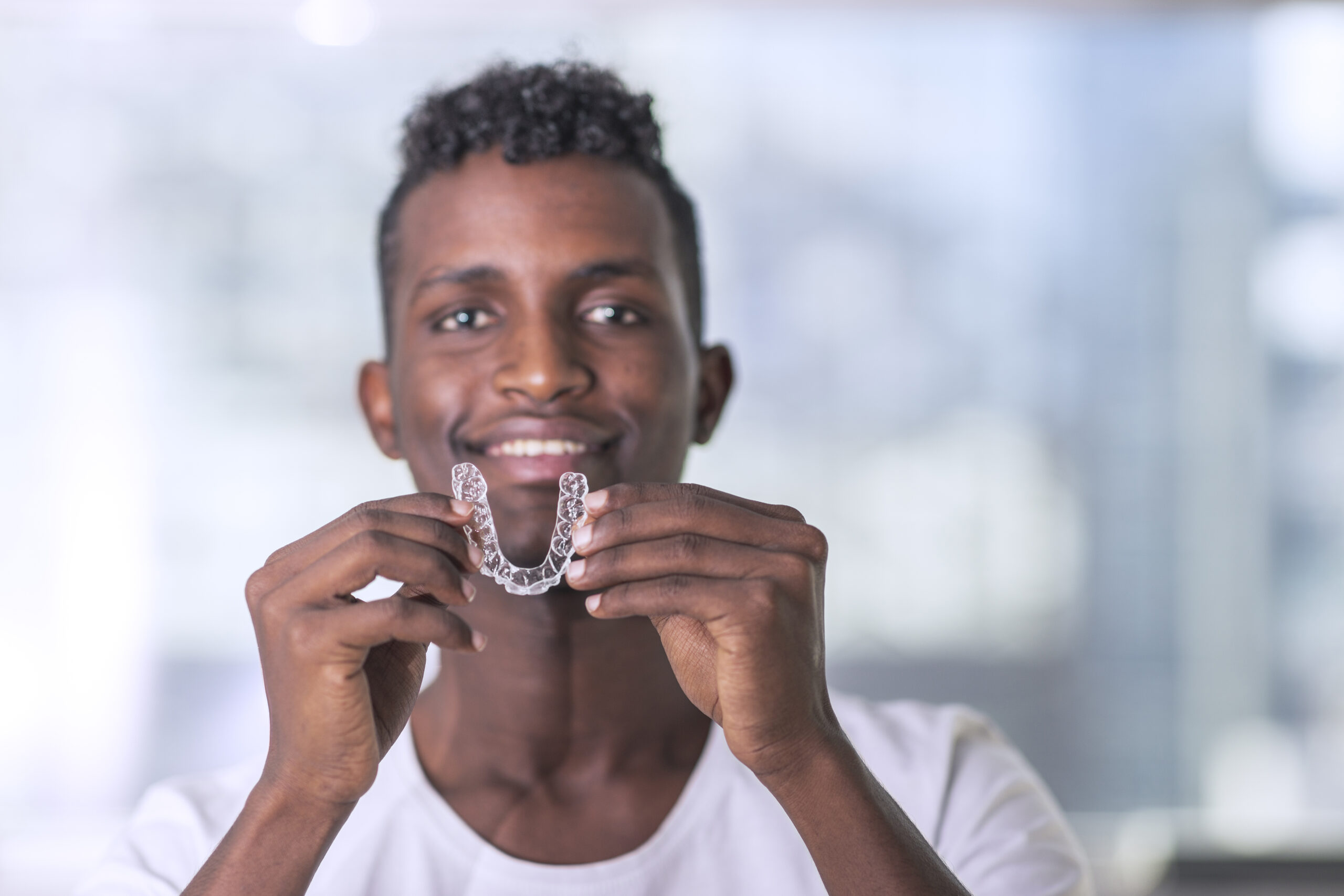
Deciding how to straighten your teen’s teeth is a big call, and you want to feel good about the choice. If you’ve been looking into Invisalign for teens, this guide is for you. Below, we walk through how clear aligners work for teenagers, what they ask of your teen and how to tell whether they’re a good fit, so you and your teen can make the decision together.
How Invisalign Works for Teens
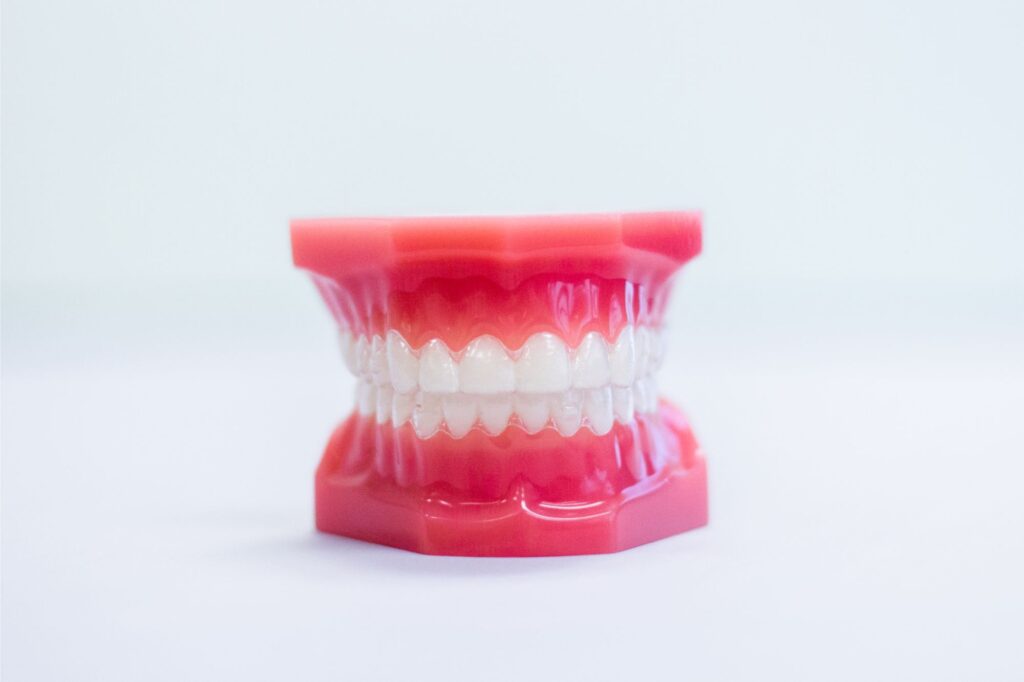
Instead of brackets and wires, your teen wears a series of custom, nearly invisible plastic aligners that gradually move teeth into place. Each set is worn for a set stretch of time before your teen switches to the next one, following the plan Dr. Yubin designs.
Invisalign can address many common teen concerns, including crowding, spacing and some bite problems. Whether it’s the right tool for your teen’s specific bite is something Dr. Yubin evaluates at the consultation.
What Treatment Looks Like, Step by Step
Here’s what the process looks like from the first visit to the final retainer, so you know what to expect.
- Consultation. Dr. Yubin examines your teen’s teeth and bite and talks through whether aligners or braces make more sense.
- A custom treatment plan. If Invisalign is a good fit, Dr. Yubin maps out how your teen’s teeth will move and what the plan involves, so you both know what to expect before treatment begins.
- Getting started. Some teens need small tooth-colored bumps called attachments bonded to certain teeth. They help the aligners grip and guide specific movements.
- Daily wear. Your teen wears the aligners about 20 to 22 hours a day, taking them out only to eat, drink anything other than water, brush and floss.
- Check-in visits. Your teen comes in periodically so Dr. Yubin can check progress and hand off the next sets of aligners. These visits are usually quick and easy to fit around school.
- Retainers. Once teeth are in their new positions, retainers help keep them there. You’ll both get clear instructions on wear and care.
Benefits of Invisalign for Teens
Teens care about how treatment looks and feels day to day. Parents care about health and whether it will actually work. Here’s how clear aligners stack up on both sides.
What Are the Social Benefits?
- Nearly invisible. Clear aligners are hard to spot in conversations, school photos and at dances, which matters a lot to many teens.
- A confidence boost. Skipping a mouth full of metal can make a real difference for a self-conscious teen, especially in middle school and high school.
- Removable for big moments. For prom, homecoming or senior pictures, your teen can take the aligners out briefly, as long as they go right back in.
What Are the Everyday Lifestyle Benefits?
- No food restrictions. The aligners come out at mealtime, so popcorn, bagels and apples are all fine. Your teen just needs to brush before putting them back in.
- Easier for sports and music. With no brackets or wires, there’s less to worry about from a bump to the mouth, and many wind and brass players find aligners easier to adjust to. For contact sports, ask Dr. Yubin whether your teen should wear a mouthguard.
- Simpler brushing and flossing. Your teen brushes and flosses the normal way, without working around brackets and wires.
What Are the Practical Benefits for Parents?
- Fewer surprise repairs. There are no brackets to break or wires to poke, so there are fewer unplanned trips to the office.
- Quick check-ins. Progress visits are usually short, which is easier on busy family calendars.
Invisalign vs. Braces for Teens: Side-by-Side Comparison
Both options straighten teeth well. The right choice depends on your teen’s bite, personality and daily routine. Here’s a quick side-by-side look.
| Factor | Invisalign | Traditional Metal Braces |
|---|---|---|
| Appearance | Nearly invisible clear trays | Visible metal brackets and wires |
| Daily commitment | About 20 to 22 hours of wear a day | Fixed to teeth and working around the clock |
| Food | Aligners come out to eat | Avoid hard, sticky and chewy foods |
| Oral hygiene | Brush and floss normally | Takes extra time around brackets and wires |
| Comfort | Smooth plastic with little irritation | Brackets can rub cheeks and lips at first |
| Repairs | A lost or broken aligner means a call to the office | Broken brackets and poking wires can happen |
| Case complexity | Handles many cases | Often preferred for severe bite problems |
For teens with severe bite problems, or teens who may struggle with the daily wear commitment, traditional braces or tooth-colored clear braces can be the better fit because they’re always working. For teens who will keep up with wear time, Invisalign offers a more flexible day-to-day experience.
Is Your Teen a Good Candidate for Invisalign?
Not every teen is an automatic yes for Invisalign, and that’s okay. Often the biggest factor isn’t the teeth but the teen. Aligners only work when they’re worn, so your teen’s habits matter as much as their bite. Here’s a quick checklist to think through before the consultation.
Dental readiness
- Most permanent teeth have come in or are coming in
- No active cavities or untreated gum problems
- Good overall dental health
Case fit
- Crowding, spacing or alignment concerns are often a good fit
- Mild to moderate bite problems are often a fit
- Severe bite problems may call for braces or a combined approach
Maturity and habits
- Will your teen remember to put aligners back in after meals?
- Will they keep track of their trays instead of wrapping them in a napkin?
- Are they motivated to straighten their teeth, or just going along with it?
When braces might be the better call
- Your teen is unlikely to keep up with 20 to 22 hours of daily wear
- The bite needs more correction than aligners can handle
- Your teen would rather have treatment that works without daily effort
How Can Parents Help a Teen Stay on Track?
- Build a simple routine of brushing and putting aligners back in right after meals.
- Keep the case in a backpack or sports bag so trays don’t end up in a napkin.
- Check in without nagging. A quick “aligners in?” after dinner goes a long way.
- Call the office early if a tray goes missing or something feels off.
The best way to know for sure is a consultation. Dr. Yubin will give you an honest recommendation, whether that’s Invisalign, braces or a combination.
Frequently Asked Questions About Invisalign for Teens
Is there an age requirement for Invisalign?
There’s no strict age cutoff. Many teens start once most of their permanent teeth have come in. Younger children may benefit from early orthodontic treatment first, and a quick exam with Dr. Yubin confirms the right starting point.
What is the 30-minute rule for Invisalign?
It’s a common guideline for keeping meals short, so aligners stay out for no more than about 30 minutes at a time. Since teens need around 20 to 22 hours of wear a day, slow meals and frequent snacking can cut into wear time and slow progress.
Is age 15 too late for braces or Invisalign?
Not at all. Fifteen is a common age for orthodontic treatment, since most permanent teeth are in by then. Plenty of older teens get great results, and adult orthodontic treatment works well too.
Is Invisalign or braces better for a 14-year-old?
It depends on the case and your teen’s personality. Both can work well at 14. Invisalign suits teens who want a nearly invisible option and can commit to about 20 to 22 hours of daily wear. Braces may be better for more complex bite problems or for teens who’d rather not manage removable trays.
What happens if my teen loses an aligner?
Don’t panic. Call the office right away. The team will tell your teen whether to wear the previous set or move to the next one while a replacement is sorted out, so treatment stays on track.
How do we know whether our teen is actually wearing them?
Watch for everyday signs, like aligners left sitting in the case during the day. At check-ins, Dr. Yubin can see whether teeth are moving as planned, which shows quickly when wear time slips. If it does, the team will work with your family on habits that stick.
Thinking Invisalign might be right for your teen? Schedule a free consultation with Dr. Yubin at our Hartsdale office. She’ll review your teen’s teeth and bite and help you both weigh the options.